The USMCA Content Equation
The United States-Mexico-Canada Agreement (USMCA) requires specific percentages of North American content for goods to qualify for preferential tariff treatment. For automotive components, the regional value content threshold is 75%. For many industrial goods, similar content requirements apply. When a component crosses the border multiple times during manufacturing — raw stock from the U.S., rough machining in Mexico, precision finishing back in the U.S. — the origin calculations become complex.
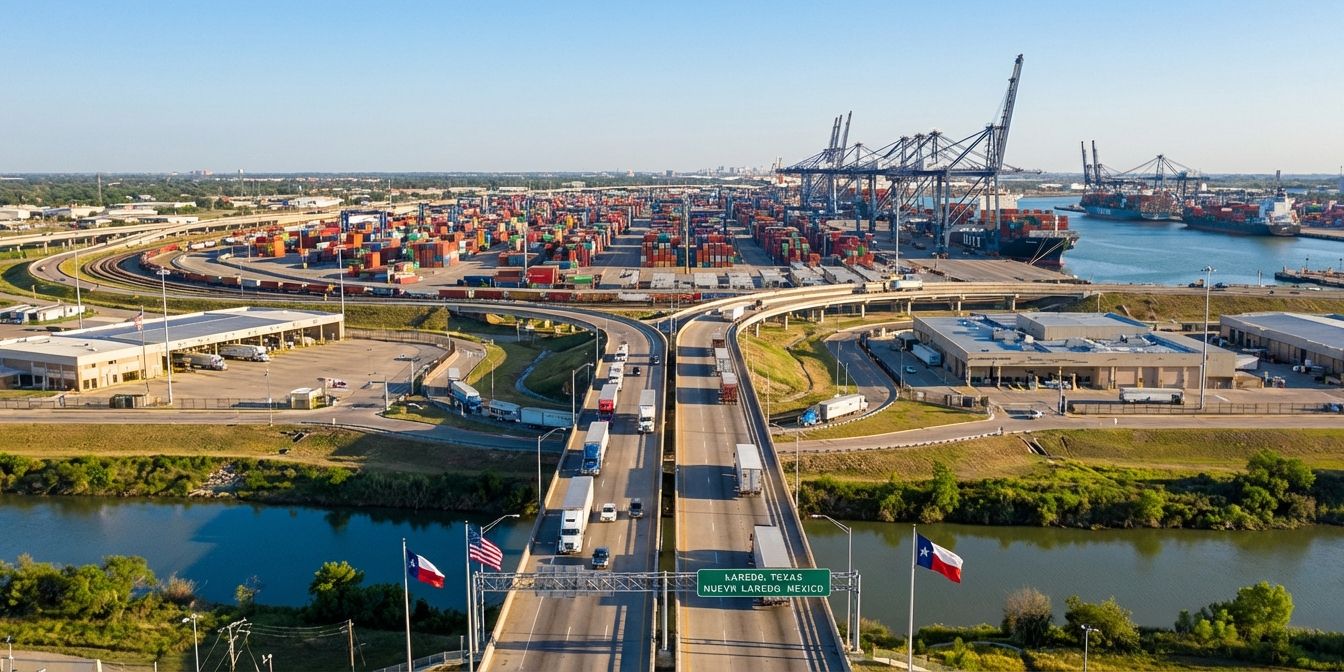
Precision operations like EDM are increasingly being sourced in the United States to ensure the finished component meets domestic content thresholds. Houston's geographic position — within a day's freight of the Nuevo Laredo and Laredo border crossing, the busiest commercial land port in the Western Hemisphere — makes the city a natural hub for cross-border manufacturing partnerships.
Why EDM Specifically
Mexican maquiladoras and Canadian contract manufacturers have invested heavily in CNC milling and turning capacity. But specialized processes like wire EDM, sinker EDM, and micro hole EDM require equipment, expertise, and material handling capabilities that are less commonly available outside major U.S. manufacturing centers.
When a maquiladora needs wire EDM profiles cut on hardened tool steel die components, or a Canadian medical device manufacturer needs micro holes drilled in titanium implant blanks, they look for U.S. EDM shops with cross-border logistics experience and the ability to handle the documentation that international shipments require.
Tariff Considerations in 2026
The tariff environment has become more complex. Section 301 tariffs on Chinese goods, Section 232 tariffs on steel and aluminum, and potential new tariff actions have made supply chain sourcing decisions more consequential. Manufacturers who previously tolerated the complexity of offshore sourcing are simplifying their supply chains by consolidating precision operations with North American — and specifically U.S. — suppliers.
For EDM work, this means increased demand from companies that previously sourced wire EDM and sinker EDM in Asia and are now qualifying domestic suppliers to reduce tariff exposure and improve lead time predictability.
What Cross-Border Customers Need
Manufacturers with cross-border supply chains need EDM partners who understand customs documentation (commercial invoices, certificates of origin, harmonized tariff codes), can coordinate with freight forwarders and customs brokers, maintain material traceability that supports USMCA origin calculations, and can turn work quickly enough to fit within just-in-time manufacturing schedules that span two or three countries.
Houston's Cross-Border Advantage
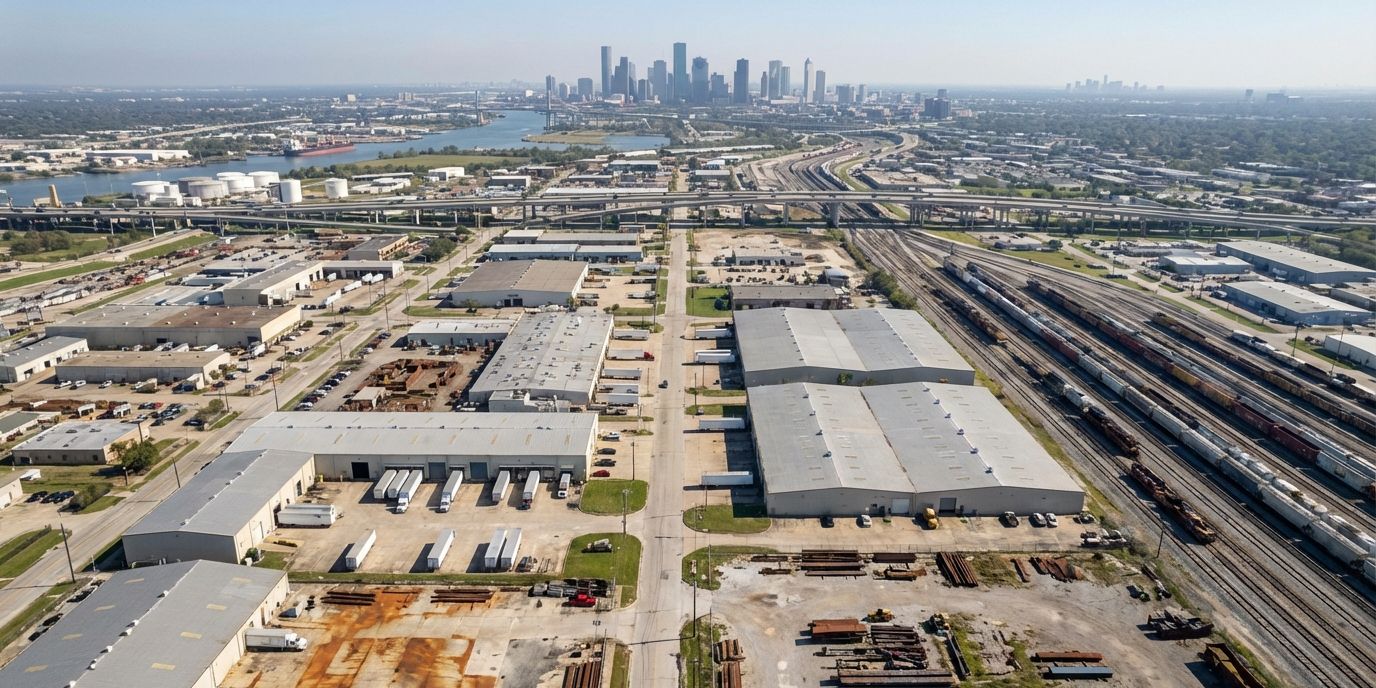
Houston is uniquely positioned for nearshoring partnerships. The city sits at the intersection of North American freight corridors — Interstate 35 to the border, the Port of Houston for maritime freight, and Bush Intercontinental Airport for air cargo. The manufacturing ecosystem includes not just machine shops, but also customs brokers, freight forwarders, material testing labs, and heat treatment facilities that complete the supply chain. For manufacturers managing cross-border production programs, a Houston EDM shop offers the precision capability, logistics access, and documentation discipline that the arrangement requires.